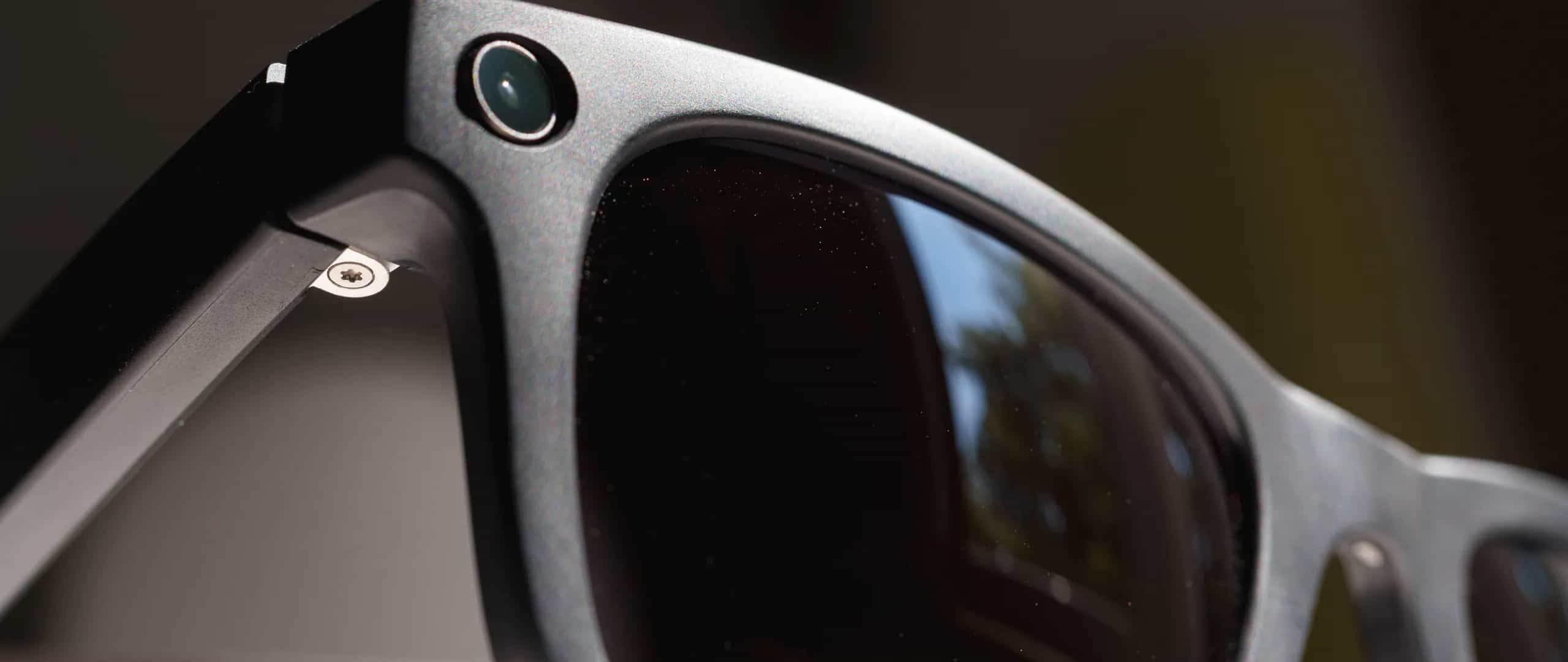
Smart Glasses Are Everywhere
Take a look around and pay close attention to anyone wearing glasses. Smart glasses are everywhere but can be difficult to detect because they look like normal eyewear yet contain cameras and microphones that let the wearer record their surroundings and interactions at any time. Smart glasses can be fun to use and a convenient tool for business owners who create content for social media. Yet not everyone wants to be on camera, and most wearers do not ask permission before recording.
The privacy concerns surrounding smart glasses are growing. In the U.K., they’ve been nicknamed pervert glasses because of reports that the glasses have been used to harass women and girls. They’ve also been labeled spy glasses, and a growing number of businesses and government agencies have begun restricting their use. Movie theaters, restaurants, and bars are banning the glasses over piracy concerns, to protect customer privacy, and to reduce the risk of misconduct.
While Apple is taking the privacy issues to heart and delayed the release of its own smart glasses, Meta’s Mark Zuckerberg seems unfazed. The company just released its new AI-powered smart glasses which have the capability to record secret audio and video that even the wearer may not know about. Unlike other smart glasses, the new Meta AI-powered glasses don’t have a camera lens embedded in the corner of the frame, and they don’t have a recording light. The glasses are the camera that’s why the record mode is virtually undetectable.
Currently, the tech companies that create smart glasses harvest recorded data for training and advertising purposes. Because AI-powered smart glasses can “listen in” to a person’s life without their knowledge, they can harvest data at any time, which is not a great selling point. Consumers do not want to be spied on. To make smart glasses more appealing, some companies have created audio only glasses and improved voice-controlled kill switches. Still, public opinion on the tech is widely divided.