Estate Planning Documents
An estate plan is not something you create once then put in a drawer and ignore. Estate planning documents need to evolve over time to remain effective. Divorce is a critical and common life change. If you divorce and don’t update your will, the state may consider your ex removed as beneficiary and executor of the will but cannot remove your ex as beneficiary of your assets. This means, if you leave your ex as beneficiary of your retirement accounts, bank accounts, and life insurance, your ex will inherit those assets when you die. Beneficiary designations supersede a will and any verbal promises made to family members.
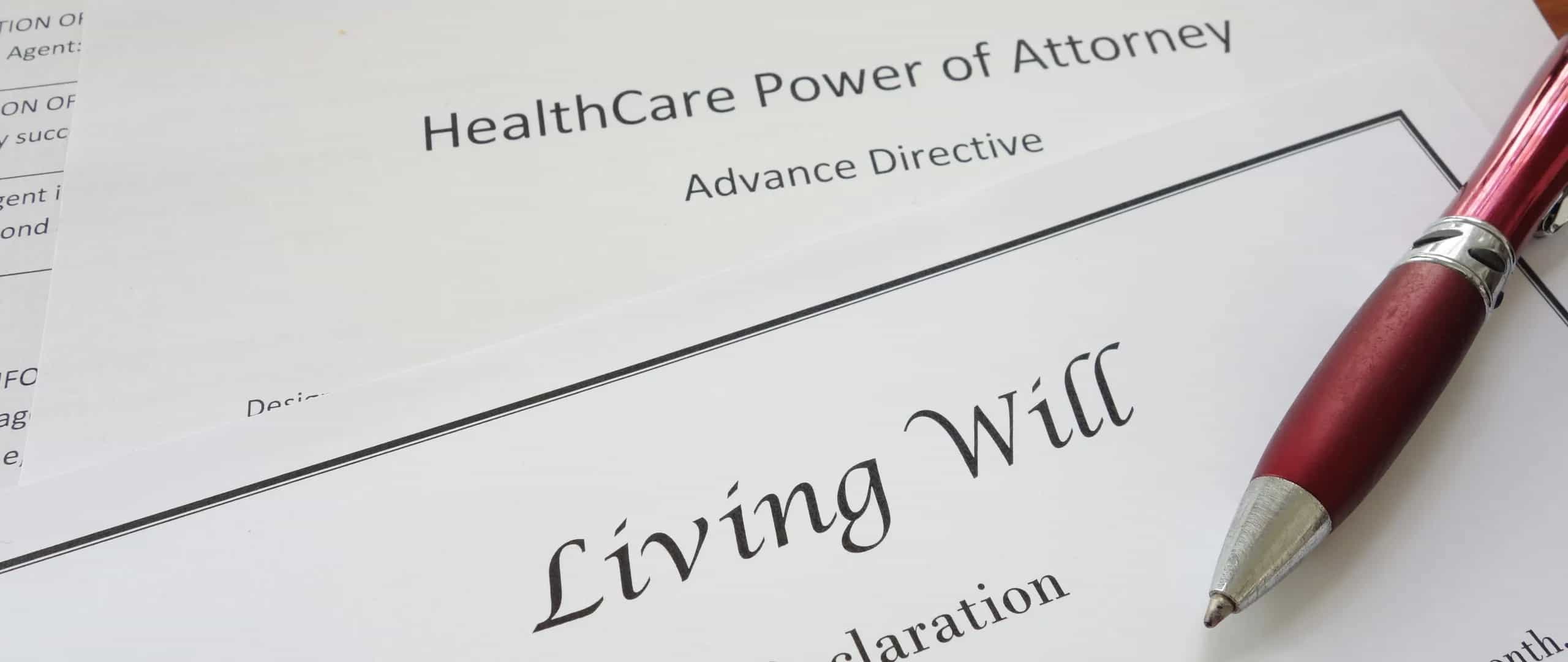
Relocating out of state is another reason to review estate planning documents. You could move from Florida to North Carolina and your current estate plan would generally be recognized as viable. However, specific estate planning documents may not work the way they are intended if you don’t name someone local to you. Power of Attorney and Healthcare Power of Attorney are two examples of documents that should be updated after a relocation because the person or people you name would need to quickly step in and perform their duties when the time comes.
A new baby would change everything. Once you become a parent, your first thought should be, “who will take care of my child when I can’t?” In your revised estate plan, you would name a guardian to your child and a backup to the guardian. You’d also be able to leave assets to your child via your will or form a trust to ensure they’re provided for when you are gone. If you had originally named a parent or sibling as the beneficiary of your assets, you would need to update your beneficiary designations to include your child. You would then name a trustee to manage the finances of your estate until your child becomes of age.
For a new estate plan or to revise your current estate plan, contact Alloy Wealth at 800-689-3935.