A Bad Credit Score Can Cost You
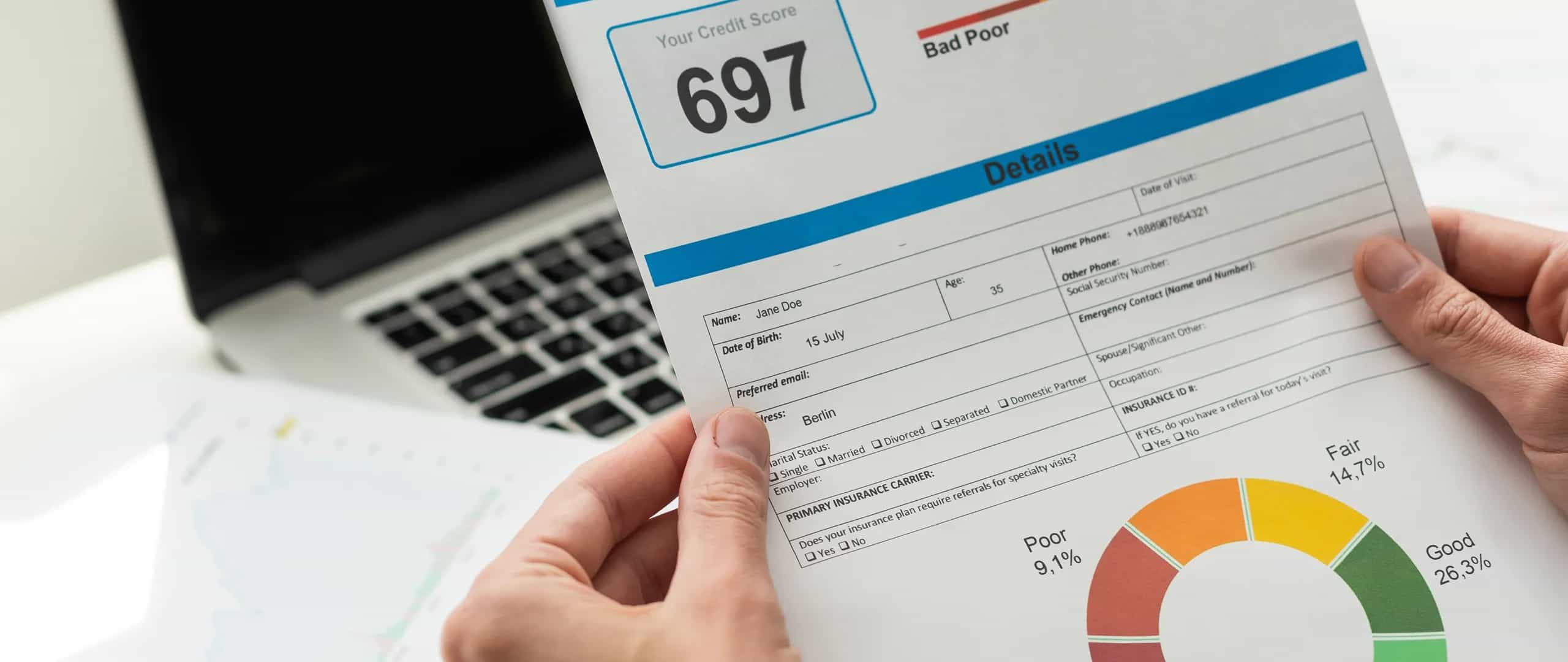
A bad credit score can cost you in many ways. From loan rates to insurance premiums, and even employment opportunities, your credit score will have an impact. The New York Times recently shared a story about two friends who live in the same neighborhood and bought similar homes, yet one friend pays twice as much for home insurance than the other. Why? The friend paying more for her home insurance has a lower credit score.
Other than the state of California that bans credit-based pricing, all U.S. states use it to some degree. So, unless you’re planning to relocate to the west coast, taking steps to improve your credit score will help you avoid paying more than you should for the things you need. For example, your home. If your credit score is in the mid-600s, improving it by 100 points can reduce your monthly mortgage rate significantly. Instead of an entry level 7.711% APR your mortgage rate would be 7.242%. In the terms of monthly loan payments, that would result in a big savings.
Bad credit can increase your credit card interest rate by as much as 10% depending on the credit card issuer. Citibank offers one of the lowest interest rates available. They offer a 19.18% interest rate for people whose credit scores are 720 and higher. That same company offers a 28.39% interest rate for people with a credit score of 620. On a $3000 balance, that’s a $47.95 monthly interest payment compared to $70.95, for a 100-point credit score difference.
The good news is you can improve your credit score by - being on time with payments, paying more than the minimum each month, keeping your credit card balances low, and by becoming an authorized user on someone else’s card. Contact Alloy Wealth Management for a complimentary written financial plan. 800-689-3935